
A digital wallet is like your personal online bank account – but instead of storing traditional money (like euros or dollars), it stores digital currencies and tokens such as USDC, ETH, or GEM DiCom.
You can think of it as a secure space where you keep your digital assets. From your wallet, you can:
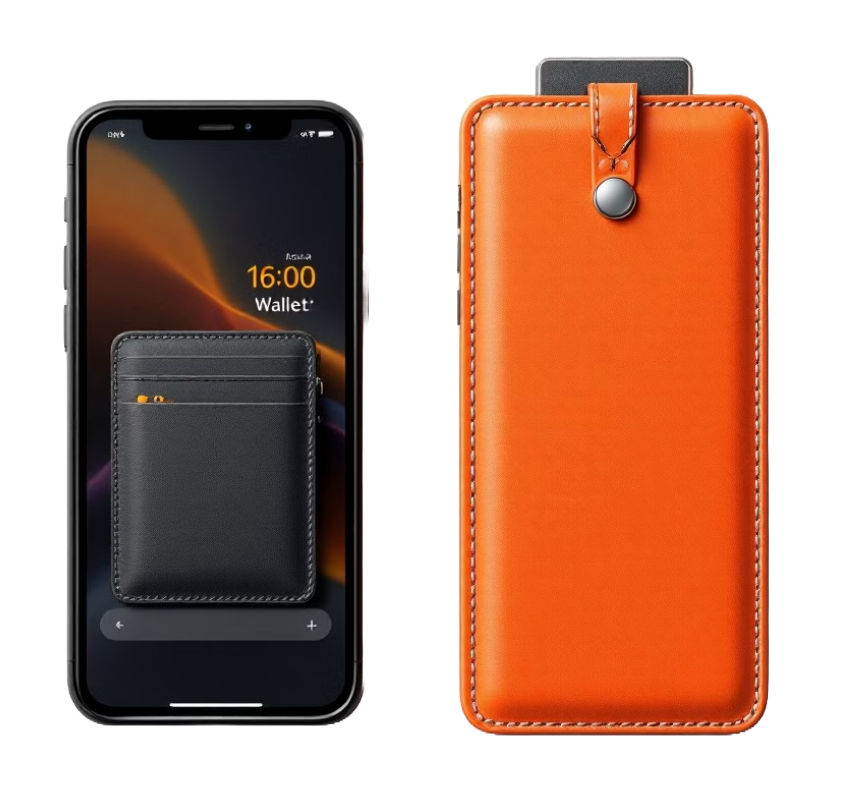
- Receive tokens (like when someone sends you USDC or GEM DiCom)
- Send tokens to someone else or another platform
- See your balances and keep track of your assets
Every wallet has two key parts:
- Your public address – this is like your bank account number or IBAN. You can safely share it with others to receive crypto.
- Your private key – this is like your PIN or password. It proves that you are the owner of the wallet. You must never share it with anyone. With nobody! Because: whoever has your private key can access your funds and you can do nothing against it. There is a saying: Your (private) keys, your money. Please bear this in mind, it is very important, security-wise.
Unlike a traditional bank, there is no customer service that can reset your password if you lose access to your wallet. That’s why it’s important to store your login credentials or recovery information carefully – ideally offline and private.
The good news is: once your wallet is set up, using it is straightforward. You’ll use it to buy, hold, and manage your GEM DiCom – your gemstones as a digital commodity.
There are different types of wallets, among others:
- Browser wallets like MetaMask or Trust Wallet, which are popular among crypto users and give you full control over your keys.
Smart wallets like the GEMtrust Pass, which simplify everything for beginners by handling the technical setup for you.